
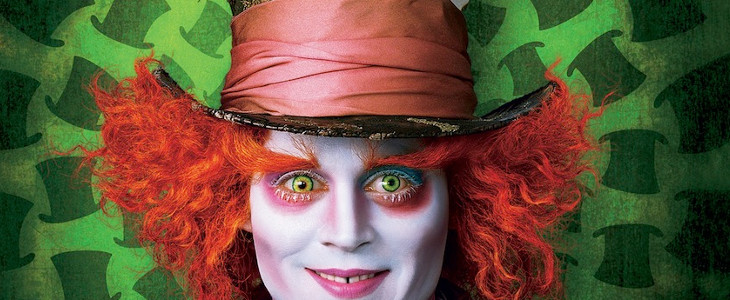
In 1784 Pitt the Younger introduced a tax on men’s hats to raise government revenue. The government believed the tax would be equitable as the rich would have a large number of expensive hats, whereas the poor might have one cheap hat or none at all. Ladies hats were exempt from the tax. The hat…

The East India Company (EIC) was a British joint-stock company formed in 1600 to pursue trade with the East Indies (Southeast Asia). The company ended up mainly trading with China and seizing control of the Indian subcontinent. The company traded in basic commodities such as cotton, silk,…
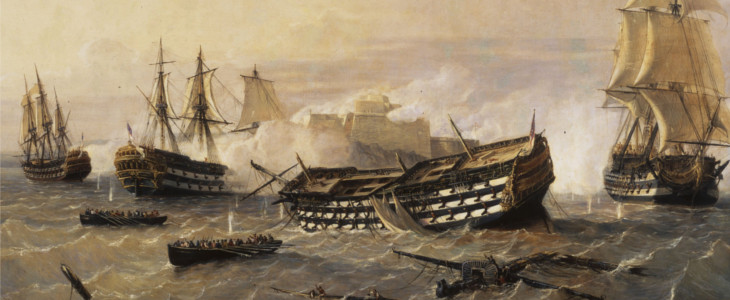
On 24th May 1607 the British Virginia Company landed their three ships near the mouth of the Chesapeake Bay area on the banks of the James River. There they founded the first permanent English colony in the New World. Now known as Jamestown, Virginia, this was the start of the British colonisation of the…
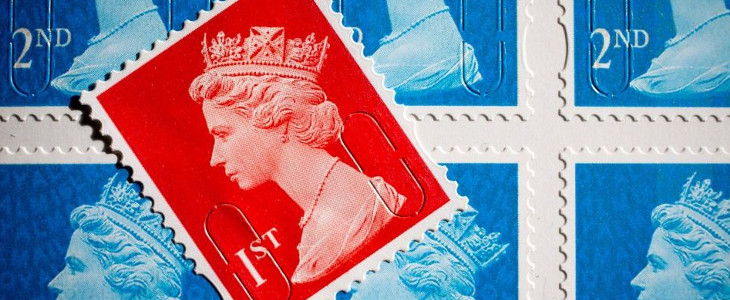
The Stamp Act of 1712 imposed a stamp tax on United Kingdom publishers. The tax was levied on all publishing including newspapers, pamphlets, legal documents, commercial bills, advertisements, and other papers. The tax was initially assessed at one penny per whole newspaper sheet, a halfpenny for a half sheet, and one shilling per advertisement.…
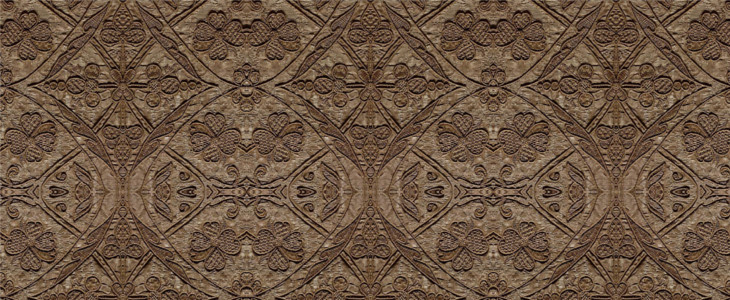
Wallpaper is a material used to cover and decorate the interior walls of homes and other buildings. It is usually sold in rolls and at its most rudimentary is just plain lining paper that is painted or used to help cover uneven surfaces and minor wall defects. Of course, the majority of hung wallpaper…

Soaps are derivatives of fatty acids and have traditionally been made from triglycerides, oils and fats. The earliest record of soap manufacturing was 200 BC in ancient Babylon. Soaps are used for washing, bathing, cleaning, and lubricating greases. The core ingredient of soaps includes tallow (which is rendered beef fat), palm…
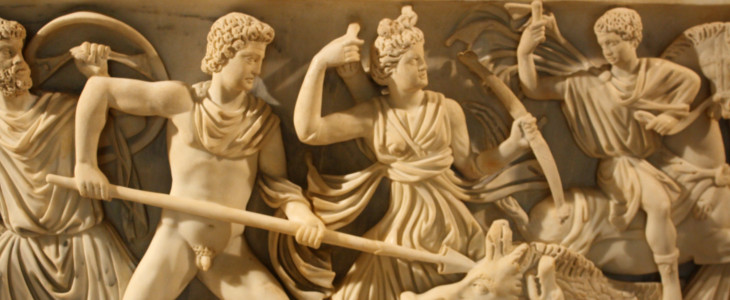
A trust is a fiduciary relationship in which one party, known as a trustor (or settlor), gives another party, the trustee, the right to hold title to property or assets for the benefit of a third party – the beneficiary. Trusts are governed by the terms under which they are created and are usually…
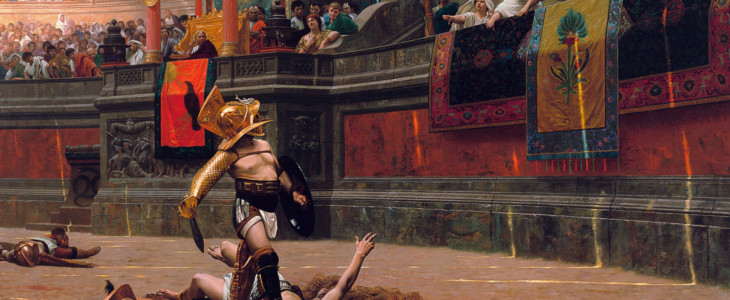
A pension fund (also known as a retirement fund or superannuation fund) is any plan, fund, or scheme which provides retirement income. The Romans started the first pension scheme in 13 B.C. when Roman Emperor Augustus began paying pensions to Roman Legionnaires who had served 20 years. These armed forces pensions were financed at first…
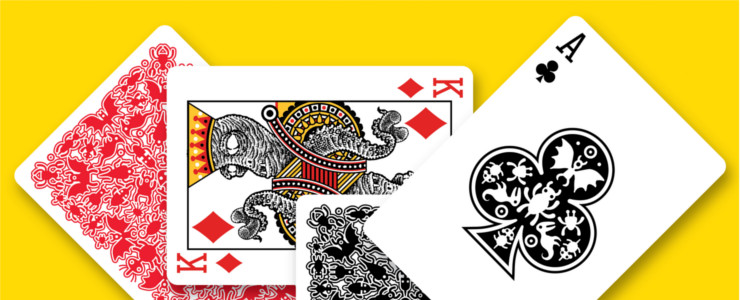
A playing card is a piece of specially prepared heavy paper, plastic-coated paper, cotton-paper blend, or thin plastic, marked with distinguishing motifs and used as one of a set for playing card games. Playing cards are typically palm-sized for convenient handling and were first invented in China during the Tang dynasty in 900 AD. Although…

A candle is an ignitable wick embedded in wax, fat, tallow or another flammable solid substance. They have been used throughout history for light, heat, fragrance, aesthetic value and sometimes to tell the time. The earliest candles originated in Han China around 200 BC and were made from whale fat. By the 13th century, candle…
Similar posts you may like
- $1,000 standard work-related deduction

From 1 July 2026, the ATO is introducing a $1,000 standard work-related deduction. If a client’s deductions are $1,000 or less, they can claim it Read more
- Netflix Tax – Gst

Netflix Inc. is an American multinational entertainment company founded in 1997, in California by Reed Hastings and Marc Randolph. It specializes in streaming Read more
- Change to a 4-day Work Week
A 4-day workweek, where employees work the same number of hours but are condensed into four days instead of five, has gained popularity and Read more
- 13 proven principles for selecting high-impact tax strategies
Used by 500+ accountants with TaxFitness. Tax planning isn’t just technical, it’s strategic. At TaxFitness, we teach accountants how to deliver advice that’s practical, Read more



"You’d be stupid not to try to cut your tax bill and those that don’t are stupid in business"
- Bono: U2