
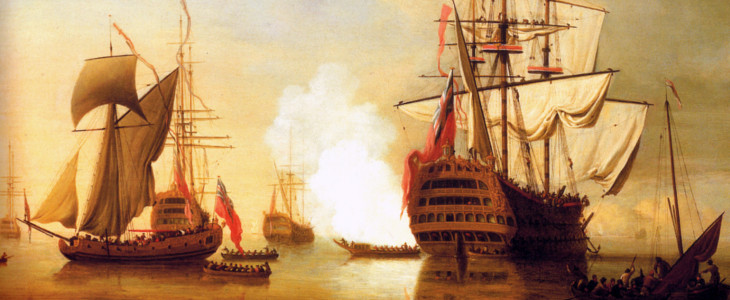
The Plantagenet Kings of England had the medieval right to require Maritime towns and counties to furnish them with ships in times of war. This duty was sometimes commuted for money, which became known as ‘ship money’. Ship money was unique as it was one of the few taxes the Monarchy could levy without the…
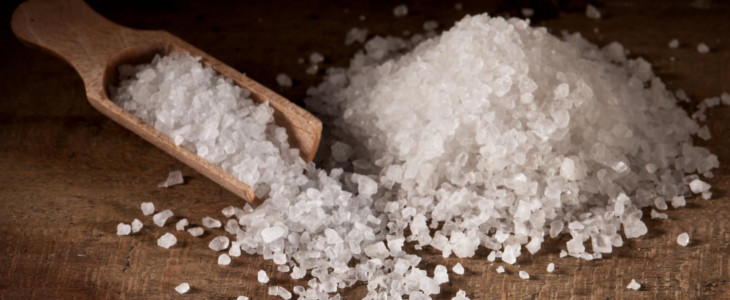
In ancient times, salt was essential to preserve food and maintain people’s health. Humans require salt in their diet as through sweating their body loses salt every day. If this salt isn’t replaced then the resulting sodium deficiency can cause weakness, fatigue, vomiting, dizziness, shock, and even death. A…

A hearth is a brick or stone-lined fireplace used for heating and cooking food. The word ‘hearth’ derives from an Indo-European root, ker, referring to burning, heat, and fire. For centuries, the hearth was the central and most important feature of a home and from this originated the saying, ‘keep the home fires burning’. A…
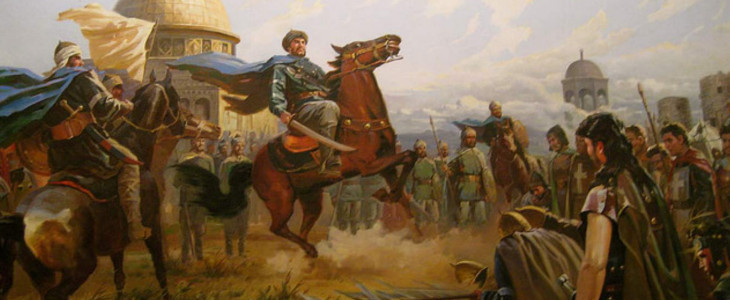
One of the first recorded taxes on income was the Saladin tithe introduced by Henry II in 1188 to raise money for the Third Crusade. The tithe demanded that each layperson in England and Wales be taxed one tenth of their personal income and moveable property. The tithe was assessed by dioceses, rather than by…
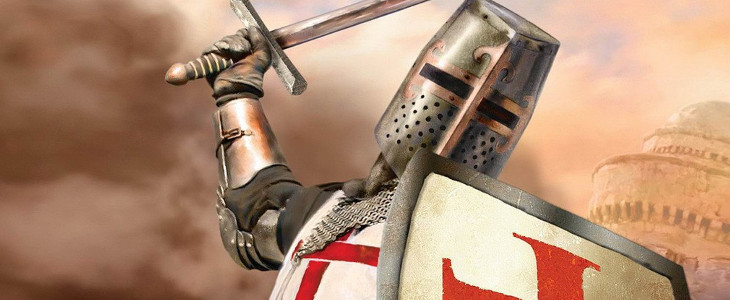
In 1100 the English introduced a Feudal land tenure system for mounted knights called knight-service. The king issued knights with small blocks of land in exchange for them taking a vow of loyalty and accepting the obligation to perform military service. When the knights were called, they were required to provide forty days military…
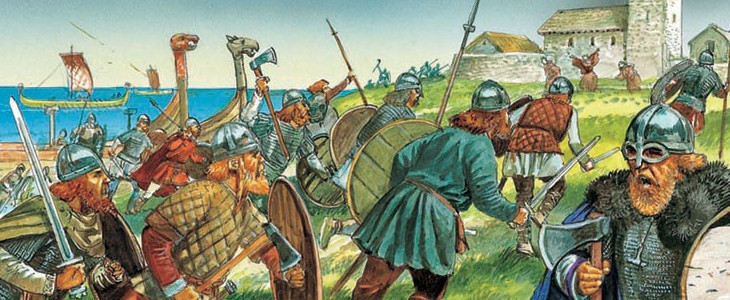
The Danegeld, or Dane tribute, was a tax raised to pay tribute to the Viking raiders to save a land from being ravaged. The tax was collected from the citizens and jointly used to buy off the attackers, and also pay the defence forces a wage. In 810 a Danish fleet of two hundred vessels…

Strange as it may seem today, in Ancient Rome, urine was a valuable commodity. It was collected from the cesspools where the lower classes of society emptied their small pots, and the public toilets which the upper classes used, and recycled. The Roman’s used the urine to bleach/clean clothes, make leather soft, dye clothes, make…
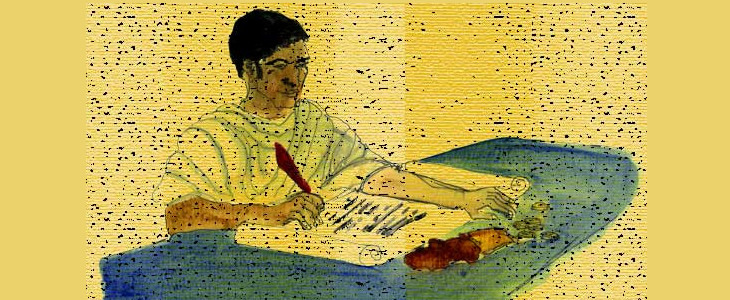
Tax farming was originally a Roman practice set up by Gaius Gracchus in 123 BC whereby the burden of tax collection was reassigned by the Roman State to private individuals or groups. The tax collectors were known as publicani. The best known is Matthew the Apostle, one of the twelve apostles of Jesus, who was…

The first income tax is generally attributed to Egypt where the Pharaohs collected taxes from their citizens. There is documented evidence of a biennial event, the ‘Following of Horus’, no less than a royal tour when the pharaoh appeared before his people and collected taxes. Egyptians did not have coined money, so their taxes were…

Under the Bala Tax, Mesopotamia taxed almost everything – livestock, grains, handicrafts, funerals, etc. The most burdensome tax though was the Labor Obligation. This was also called the ‘going’ or ‘burden’ in Babylonian languages. Under the Labor Obligation Tax, a free man, the head of his household, owed the government several months’ of labour service…
Similar posts you may like
- Good money habits are small and boring

Good money habits are small and boring but make a big difference over time. First, figure out what you want. Are you trying to: Read more
- The Liechtenstein Foundation of 1926
There is no universal or legal definition of foundation. A foundation can be a trust, company, or other entity; and be either not for Read more
- Always get 3 quotes
For services, always get 3 quotes minimum. We shop around for the best price on TV’s, cars, and other products but seldom get Read more
- What are the advantages of a testamentary trust
A testamentary trust (sometimes referred to as a will trust or trust under the will) is a trust which arises upon the death of Read more




"You’d be stupid not to try to cut your tax bill and those that don’t are stupid in business"
- Bono: U2