
Community Attitudes towards tax avoidance
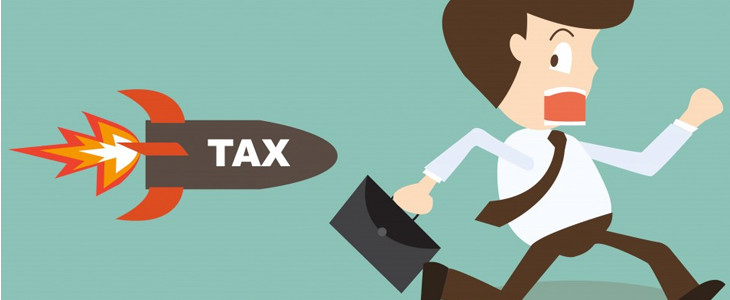
Community attitudes towards tax avoidance vary from approval through neutrality to outright hostility. Attitudes may vary depending on the steps taken in the avoidance scheme, or the perceived unfairness of the tax being avoided. Tax avoidance by corporations in the UK came to national attention in 2012, when MPs singled out Google, Amazon.com and Starbucks for criticism for diverting hundreds of millions of pounds in UK profits to secretive tax havens.
There was such widespread outrage across the UK that the products by Google, Amazon.com and Starbucks were boycotted. As a result, Starbucks agreed to restructure their tax affairs so they paid the standard amount of UK tax in future. The Fair Tax Mark was established in the UK during 2014 as an independent certification scheme to identify companies which pay taxes in accordance with the spirit of all tax laws (and who do not use options, allowances, or reliefs, or undertake specific transactions that are contrary to the spirit of the law).
"You’d be stupid not to try to cut your tax bill and those that don’t are stupid in business"
- Bono: U2