

A captive insurance company is where a parent group creates its own licensed insurance company to provide coverage for itself. The benefits of this include reduced costs, ability to insure difficult risks, direct access to reinsurance markets, and increased cash flow. In addition, when a company creates a captive they are indirectly able to evaluate…

A bachelor tax is a tax imposed on bachelors. The historical motives for imposing a bachelor tax have varied greatly from encouraging marriage, encouraging population growth, penalising delinquent and irresponsible bachelors, to simply raising government revenue. As Oscar Wilde (Irish Novelist and Poet, 1854-1900) said, ‘Rich bachelors should be heavily taxed. It is…

There is no universal or legal definition of foundation. A foundation can be a trust, company, or other entity; and be either not for profit, or for profit. A foundation can be established under a will, by an individual, family, company or the community. Liechtenstein is one of the few countries which allows a private…

Switzerland was the first ‘true’ tax haven and became a tax haven immediately following World War I. As Switzerland remained neutral during the Great War they could maintain a low level of taxes as they didn’t have the high infrastructure costs other countries had. In contrast, many European governments raised taxes sharply to help pay…

A self-managed super fund (SMSF) is an Australian trust structure that is used by members to personally manage their retirement savings. SMSFs are established for the sole purpose of providing financial benefits to its beneficiaries in retirement, with the benefits passing to the deceased’s beneficiaries on death. The first SMSFs were established in 1915 to…

The General Corporation Law (Title 8, Chapter 1 of the Delaware Code) is the statute governing corporate law in the U.S. state of Delaware. It has been the most important jurisdiction in United States corporate law since 10th March 1899 when it enacted corporate-friendly laws to attract businesses from…

In 1797 Great Britain introduced a farm horse tax on horses and mules that were used in husbandry or trade. The tax was levied at the rate of 2s per horse or mule. The tax collectors visited the farms to audit the farmers and ensure they were paying the…

The Duties on Clocks and Watches Act 1797 was an Act passed by the Parliament of Great Britain instituting a tax on clocks and watches. The tax was introduced by the Prime Minister William Pitt and was assessed at the annual rate of two shillings and sixpence for a basic watch, five shillings for a…

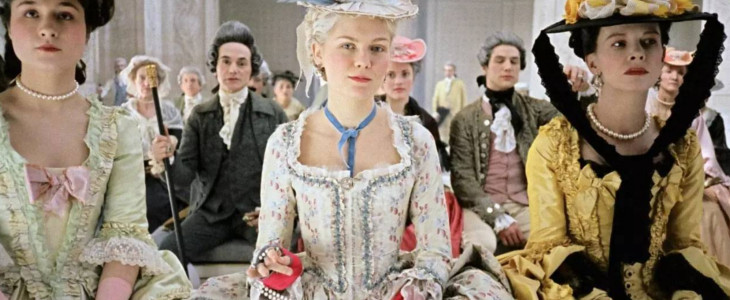
During the 17th and 18th centuries the wearing of wigs by men was very fashionable. Women didn’t wear wigs but instead added hair extensions to their natural hair. Whilst women mainly powdered their hair grey or blueish grey, men went for the bright white look. The wig powder was made from finely ground starch…
As Britain’s 1784 tax on hats was such a lucrative revenue raiser for the government, they decided to complement it with a glove tax. The 1785 glove tax was levied at the rate of one penny on gloves to the value of ten pence, two pence to gloves costing between ten pence and fifteen pence,…
"You’d be stupid not to try to cut your tax bill and those that don’t are stupid in business"
- Bono: U2