
Australia’s First Direct Taxes (1851)
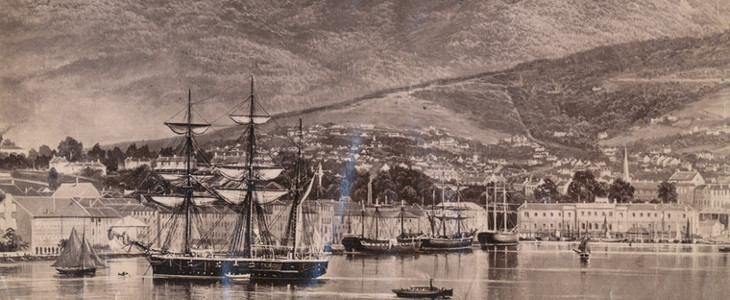
The first direct taxes took the form of taxing the estates of deceased persons which at the outset applied only to personal estates and not real estate. The first death duty was applied in 1851 in NSW, 1865 in Tasmania, and eventually all the other states by 1901.
The rates were progressive and based on the value of the estate, with reasonably high exemption thresholds, thus limiting the impact on small estates. In general, estate duties were relatively low cost to administer and, when introduced, were more readily accepted than a wealth tax, levied throughout a taxpayer’s life. In 1914, the federal government also introduced a progressive system of estate taxes to help fund wartime expenses. Over time death duties became hugely unpopular and were phased out by Queensland in 1977, the federal government in 1979, and all the other states by 1984.
"You’d be stupid not to try to cut your tax bill and those that don’t are stupid in business"
- Bono: U2