

In 1100 the English introduced a Feudal land tenure system for mounted knights called knight-service. The king issued knights with small blocks of land in exchange for them taking a vow of loyalty and accepting the obligation to perform military service. When the knights were called, they were required to provide forty days military…

Average weekly pay: $Unavailable Employment size: 2,200 Future growth: Very strong Skill level Associate degree or diploma Funeral workers prepare bodies for viewing and burial, arrange and conduct funerals, and perform other specialist…

Average weekly pay: $1,200 Employment size: 33,300 Future growth: Moderate Skill level Certificate III or IV A bricklayer is a craftsman who lays bricks to construct brickwork. A stonemason is one who lays…

Average weekly pay: $1,110 Employment size: 12,000 Future growth: Very strong Skill level Certificate III or IV Flight attendants (also known as stewards/stewardesses, air hosts/hostesses, cabin attendants) are members of an aircrew employed…

Average weekly pay: $1,050 Employment size: 85,000 Future growth: Very strong Skill level Associate degree or diploma A chef is a trained professional cook who is proficient in all aspects of food preparation.…

Average weekly pay: $600 Employment size: 6,000 Future growth: Strong Skill level Bachelor degree or higher Actors,…

Money laundering is the process of transforming the profits of crime and corruption into ostensibly ‘legitimate’ assets, and the hiding of income/wealth from Governments to avoid taxation. Placing ‘dirty’ money in a service company, where it is layered with legitimate income and then integrated into the flow of money, is a common form of money…

Providing the following work related items to employees is tax deductible and FBT exempt: Portable electronic devices such as mobile phones, laptops, tablets, portable printers and GPS navigation receivers. Computer software. Protective clothing Briefcases. Tools of trade. Even when employees salary sacrifice the cost of the items with their employees they still benefit from saving…

Average weekly pay: $1,000 Employment size: 31,000 Future growth: Very Strong Skill level Certificate II or III Fitness instructors provide…
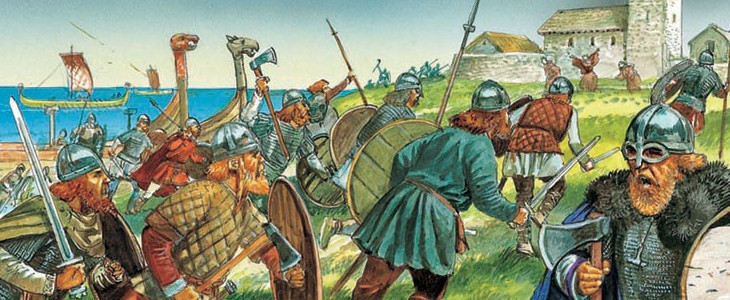
The Danegeld, or Dane tribute, was a tax raised to pay tribute to the Viking raiders to save a land from being ravaged. The tax was collected from the citizens and jointly used to buy off the attackers, and also pay the defence forces a wage. In 810 a Danish fleet of two hundred vessels…
"You’d be stupid not to try to cut your tax bill and those that don’t are stupid in business"
- Bono: U2